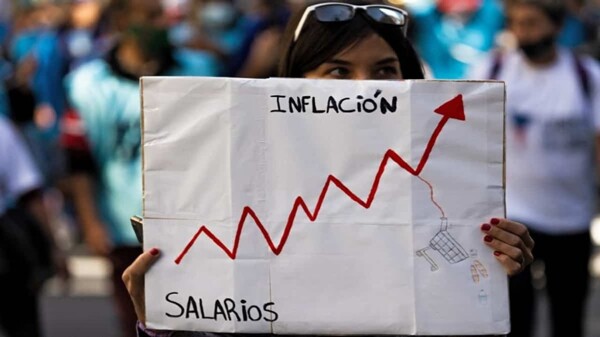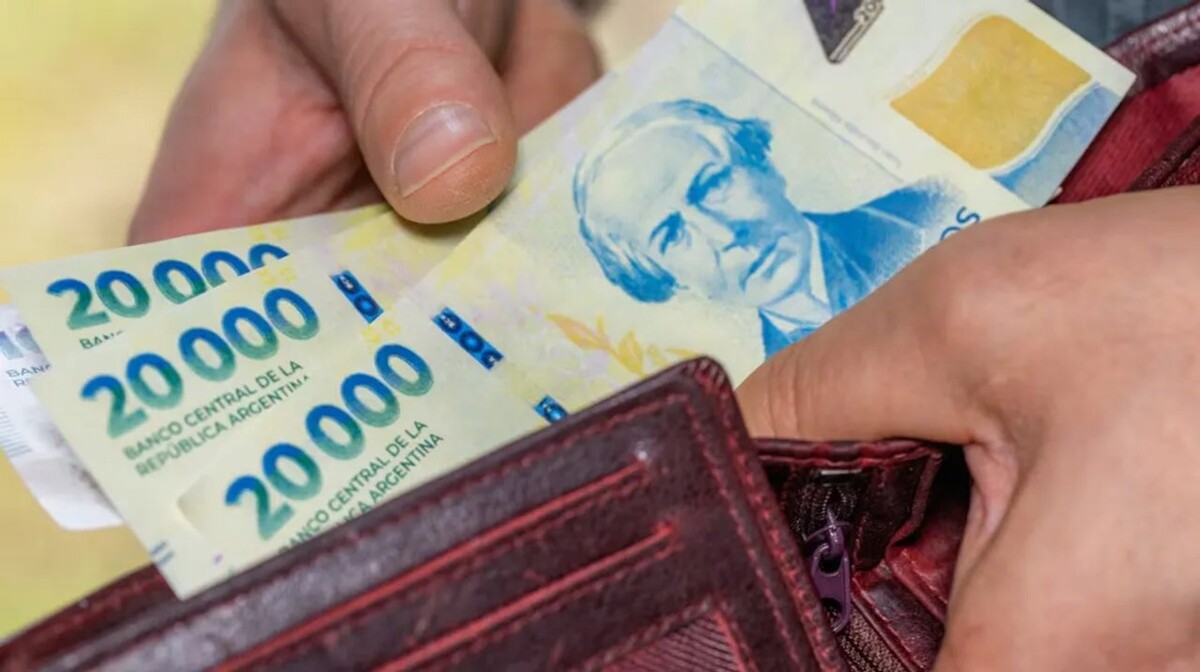
Credit in pesos to the private sector is showing signs of exhaustion at the start of 2026. 'Since mid-last year, delinquency has been growing,' he stated, defining it as 'self-induced' by the credit expansion cycle and subsequent tightening. Inflation in Buenos Aires rose to 3% in March. The specialist also pointed out that the structural problem of credit in Argentina is not so much the level of indebtedness but its profile. 'The prestable capacity of individuals is very small.' In this regard, he mentioned that high interest rates, tax burden, and short terms limit the development of financing. Regarding inflation-adjusted loans, he emphasized that their growth must be analyzed with caution. 'UBA loans have been growing strongly, but they must be evaluated over a longer horizon. In the short term, UBA is a double-edged sword,' he warned, indicating that the evolution of installments can exceed the dynamics of dollar-denominated asset prices. This tightening, he added, especially affected those without stable incomes or solid history, causing difficulties in refinancing debts. Barbero, according to the Argentine News Agency, recalled that between March 2024 and mid-2025, personal loans and cards combined grew '130% real,' in a context where banks relaxed requirements. Guillermo Barbero, a partner at First Capital Group, stated that since mid-last year, credit has stopped growing in real terms and warned that the tightening of banking conditions and the increase in delinquency explain the slowdown. According to him, with data as of March, based on information from the Central Bank of the Argentine Republic, 'we are facing a stagnation of loans in pesos to the private sector,' a phenomenon that includes both credit cards and personal and commercial loans. The specialist clarified that while nominal increases are observed, 'those variations do not exceed the values of the month's inflation,' so the real growth is zero or negative. The only segment showing sustained expansion is mortgage lending. 'The only one that saves the situation, the one that carries the banner with positive real variations, is mortgage credit,' Barbero maintained on Splendid AM 990, indicating that this category has shown real increases for 'almost 18 or 20 months.' In contrast, he detailed that total peso-denominated loans fell by 0.6% in real terms, with declines of 0.9% in commercial credit, 0.4% in personal, and 2.9% in pawn loans, while cards barely rose 0.2%, a figure he considered not very representative due to accounting issues. The lack of long-term financing limits the quality of life for Argentines and curbs consumption on cards and personal loans. Buenos Aires, April 11 (NA) - Financing in pesos to the private sector shows signs of exhaustion at the start of 2026. Photo: Agencia NA/Redes. The analyst linked the slowdown to a change in the credit policy of financial entities. 'When elections approach and there starts to be some political 'rum rum,' the entities react by raising the score and becoming stricter with conditions,' he explained. However, that process reversed. 'An individual can get into debt two or three times their income, and with that you can't buy a property or a car,' he indicated.